





Be more human, be more customer-focused
But you’re different. You know exactly what your products or services can do, and you know how fantastic your team and customer support are. If only you could get the message across.
It’s not difficult. The things you say and do when you’re face-to-face with customers should be the things you say and do when you’re not. Imagine how much more compelling your business would sound if you carried the natural warmth and enthusiasm of those everyday human interactions into the words on your marketing materials.
Could that be the one brilliant thing that differentiates you from your soundalike competitors?
You don’t need big words or grand claims to win customers over. You just need to be the most empathetic and charismatic version of yourself. That’s my area of copywriting expertise. If we can get together to capture the honesty, energy, and simple humanity of your face-to-face interactions, you’ll have a story that’s unique to you.
To make yours the brand that cuts through in a sea of soundalikes, get in touch. Call me on 0117 204 7334 or email Chas Walton, freelance copywriter.
Latest copywriting posts
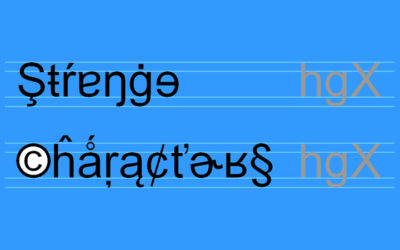
A writer’s guide to diacritics and special characters
Can’t tell a horn from a hoi or a caret from a circumflex? Here’s a beginner’s guide to those confusing hooks, strokes, and squiggles.

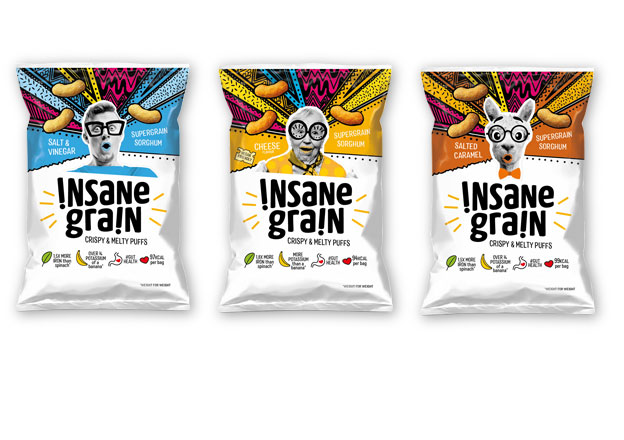
Are there words for the ideal healthy snack?
How would a consumer describe their ideal snack? And what words do healthy and unhealthy conjure up? Dutch research offers some clues.

Tips and science behind writing Christmas cracker jokes
The groan-inducing cracker joke is a festive staple. If it’s not bad, it’s not doing the job. Here’s how to write your own.
Great copywriting gets people talking

"The high quality of your text never fails to amaze me – on brief every time and always keeping our tone of voice and customer base in mind. Your speedy turnaround and creative suggestions have definitely helped save the day on more than one occasion."
Jo Harris
Account Manager, Travis Perkins

"Chas immediately understood what we wanted. He immersed himself in our brand and created copy that spoke to customers directly from the carton. He also produced a simple tone-of-voice document that helped us communicate in the same style with our audience."
Ben Cull
Marketing Director, Yeo Valley Organic


Legal stuff
Text Wizard® is a registered trade mark
Text and images © 2000–2020
Text Wizard Copywriting Ltd